
Choosing the right Circuit Breaker Board is a safety decision, not merely a purchasing task. The board must match the building’s voltage, load profile, fault level, environment, and future expansion plans. A crowded enclosure may look acceptable today. It can become a serious weakness tomorrow.
NFPA’s Electrical Fires report, covering 2015–2019, found that electrical distribution and lighting equipment appeared in 57% of home fires involving electrical malfunction. The U.S. Fire Administration also identifies overloaded circuits, damaged wiring, and faulty equipment as recurring fire contributors. These findings make compatibility essential. A board should support correctly rated breakers, reliable busbars, suitable enclosure protection, and clear circuit identification. NFPA 70, UL 67, and IEC 61439 provide useful benchmarks, although local requirements still control the final installation.
John Drengenberg, former Consumer Safety Director at UL Solutions, has emphasized, “Safety is a shared responsibility.” That principle belongs in every selection discussion. The installer, designer, manufacturer, and building owner all influence the outcome. Check the short-circuit current rating. Confirm the breaker system is listed for the board. Leave practical space for maintenance. Small details matter.
I would not choose by amperage alone. That shortcut is tempting, but incomplete. A residential board serving a kitchen, workshop, or heat pump needs a different review from a small office board. Consider heat, moisture, dust, access, surge exposure, and future circuits. Review the manufacturer’s tested combinations, not only the product photograph. The best Circuit Breaker Board is the one that fits the actual installation, remains serviceable, and stays defensible under professional inspection.
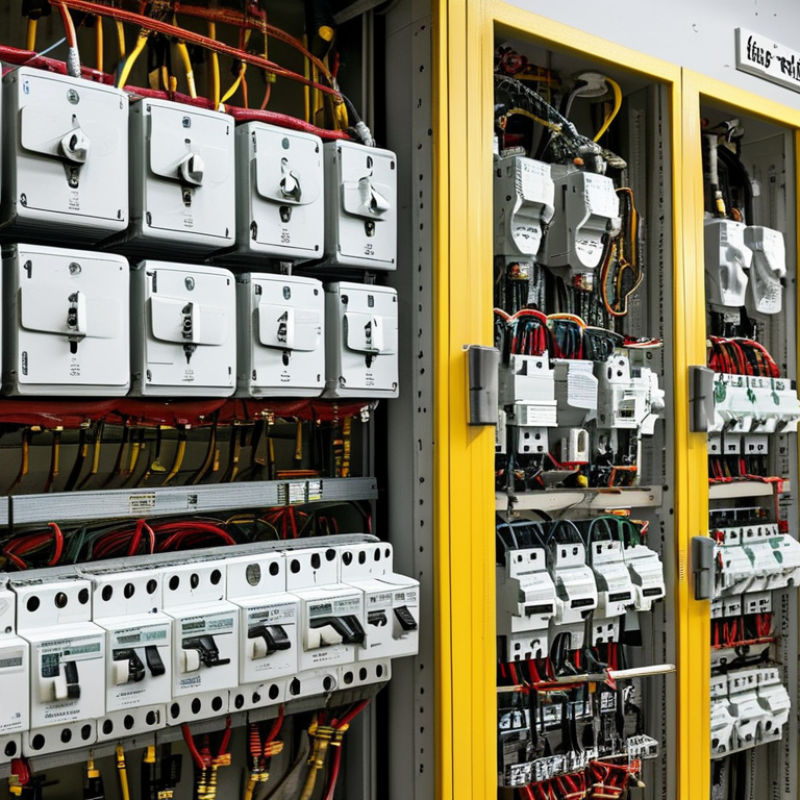
A circuit breaker board should match its intended function before its appearance or price. Define whether it will serve a home, workshop, commercial floor, or critical equipment. Each setting creates different load patterns and fault risks. List every circuit, including lighting, motors, heating devices, and future equipment. Do not guess. A simple load schedule often reveals hidden capacity problems.
The International Energy Agency’s Electricity 2024 report expects global electricity demand to grow by about 4% annually through 2026. That growth makes future load planning more important.
For example, an electric vehicle charger can add a continuous, high-current demand beside existing household circuits. Calculate connected load, demand load, voltage, phase, frequency, and available fault current. Select breakers with suitable current ratings and interrupting capacity. The enclosure must also fit the installation environment, including heat, moisture, dust, and working space.
Safety depends on coordination, not only on breaker size. IEC 61439 requires low-voltage assemblies to meet defined construction and verification requirements. Confirm busbar ratings, conductor temperature limits, neutral capacity, grounding, and selective coordination.
I have seen projects where the main breaker was oversized, while branch wiring remained undersized. That mistake is easy to miss. It deserves a second review.
Have a qualified electrical professional verify calculations and local code compliance before installation.

The installation environment should guide your circuit breaker board choice. An indoor board in a dry utility room faces different risks from one near rain, dust, or chemical vapors. Check the enclosure’s protection rating before comparing capacity or appearance. A suitable rating helps limit water and particle entry.
For damp locations, choose a board with a sealed enclosure and corrosion-resistant construction. Outdoor installations may need a weatherproof cabinet, protected cable entries, and a raised mounting position. In dusty workshops, confirm that the enclosure can reduce particle accumulation around breakers and terminals. Heat also matters. A sunlit wall can raise internal temperature and reduce dependable performance.
Match the board to the building’s wiring method, available space, and expected load. Leave room for neat conductor bends and future circuits. Crowded terminals make inspection harder. They also encourage poor workmanship. Follow local electrical codes and the manufacturer’s installation instructions. A qualified electrician should verify grounding, overcurrent protection, and clearances before energizing the board.
I have seen installers focus on breaker count and overlook moisture exposure. That decision can create trouble later. Conditions can change, too. A dry garage may become humid after renovation. Recheck the environment instead of trusting an old assumption. A practical choice balances enclosure protection, thermal conditions, service access, and the board’s verified electrical ratings.
| Installation Environment | Typical Conditions | Recommended Board Type | Typical Enclosure Protection | Material and Finish | Breaker and Protection Considerations | Key Installation Notes |
|---|---|---|---|---|---|---|
| Indoor, clean and dry areas | Residential rooms, offices and climate-controlled commercial spaces with minimal dust or moisture. | Standard flush- or surface-mounted distribution board with a metal or insulated enclosure. | Typically IP30 or higher, subject to local electrical requirements. | Painted steel or flame-retardant insulated material; corrosion protection is usually not a primary concern. | Select breakers for the system voltage, continuous load, conductor ampacity and available short-circuit current. Add residual-current protection where required. | Provide clear working space, proper circuit labeling and sufficient spare ways for future circuits. |
| Indoor damp or humid areas | Basements, utility rooms, laundry areas or locations subject to condensation and occasional splashing. | Moisture-resistant distribution board with sealed cable entries and a suitable door gasket. | Typically IP44 to IP54, depending on the actual exposure. | Powder-coated steel, stainless steel or a suitably rated insulated enclosure. | Use residual-current protection where wet-area rules require it. Protect cable entries against water migration. | Do not install the board where direct spray, pooling water or persistent condensation can occur unless specifically rated for that exposure. |
| Outdoor and weather-exposed areas | Rain, sunlight, temperature changes, wind-driven dust and outdoor maintenance conditions. | Outdoor-rated weatherproof distribution board with a lockable, gasketed enclosure and rain protection. | Commonly IP54 to IP65; select the rating according to exposure and local code. | UV-resistant coated metal, stainless steel or outdoor-rated polymer enclosure. | Consider surge protective devices where lightning or switching surges are likely. Verify breaker temperature derating where applicable. | Use downward-facing cable entries or correctly sealed glands. Prevent water from entering through the top of the enclosure. |
| Industrial and high-dust areas | Manufacturing floors, workshops, warehouses and areas with airborne dust or mechanical impact. | Heavy-duty industrial board with a robust enclosure, secure door and protected internal components. | Typically IP54 to IP65; use a higher level where dust ingress may affect operation. | Powder-coated steel or stainless steel; select impact resistance suitable for the work area. | Check the board assembly rating, temperature rise, conductor spacing and short-circuit withstand capability. | Keep the board away from vibration, corrosive process emissions and areas where forklifts or machinery may cause impact. |
| Corrosive or coastal environments | Salt spray, marine air, chemical vapors, wastewater facilities or aggressive cleaning agents. | Corrosion-resistant board with sealed construction and hardware selected for the chemical environment. | Typically IP55 to IP66, based on moisture, dust and cleaning conditions. | Marine-grade stainless steel, corrosion-resistant coated steel or chemically compatible polymer. | Use compatible terminals, busbars, glands and fasteners. Inspect for corrosion during scheduled maintenance. | Confirm material compatibility with the specific chemicals, salt concentration, cleaning method and ambient temperature. |
| High-temperature locations | Boiler rooms, process areas, unconditioned enclosures or spaces with elevated ambient temperature. | Thermally suitable board with adequate ventilation or thermal management, installed away from direct heat sources. | Select the enclosure rating required by the environment, commonly IP44 to IP65. | Heat-resistant coated metal or an insulated enclosure rated for the measured ambient temperature. | Apply manufacturer-specified temperature derating. Avoid exceeding breaker, busbar and cable operating limits. | Do not block ventilation openings. Calculate heat dissipation when multiple loaded breakers are installed together. |
| Public, commercial or restricted-access areas | Schools, offices, retail buildings, public facilities and locations requiring controlled access. | Enclosed distribution board with a lockable door, clear circuit identification and protected live parts. | Typically IP30 or higher indoors; increase protection where public contact or moisture is possible. | Durable painted steel or impact-resistant insulated enclosure with a corrosion-resistant finish. | Use appropriate overcurrent, residual-current and surge protection according to the building design and applicable code. | Provide durable labels, restricted access and sufficient room for safe testing and maintenance. |
| Hazardous or potentially explosive areas | Areas where flammable gases, vapors, combustible dust or fibers may be present. | Only a board and enclosure specifically certified for the classified hazardous area. | The required protection depends on the area classification; ordinary IP-rated boards are not automatically suitable. | Certified construction and materials selected for the hazardous-location classification and chemical exposure. | Use only approved components, cable entries and accessories. Follow the relevant hazardous-location installation standard. | The classification must be determined by a qualified professional before equipment selection or installation. |
Selection reminder: Confirm the system voltage, frequency, number of poles, rated current, available short-circuit current, enclosure rating, ambient temperature and applicable local electrical code before choosing a circuit breaker board.
Choosing a circuit breaker board starts with three numbers: system voltage, load current, and prospective fault current. The breaker’s voltage rating must meet or exceed the circuit voltage. A 400 V system needs equipment rated for at least 400 V, including phase-to-phase insulation.
Current selection requires more than reading the appliance label. Measure the expected load, check continuous-duty requirements, and allow for conductor temperature and installation conditions.
For example, a 63 A feeder may need a higher-rated conductor if ambient heat reduces its ampacity.
NFPA 70, Article 110.9, requires interrupting ratings to match the available fault current. That value comes from the utility supply, transformer impedance, and feeder length—not guesswork.
Fault capacity needs careful attention. A board marked 10 kA is unsuitable where the calculated fault current reaches 18 kA. IEC 60947-2 separates ultimate breaking capacity, Icu, from service breaking capacity, Ics; both values deserve review during selection.
Ask for the latest short-circuit calculation, then compare it with every breaker and busbar rating. Inspectors commonly check this detail. They should.
A practical mistake is treating a higher ampere rating as automatically safer; it may reduce overload protection for smaller conductors. I still prefer documenting assumptions, because available fault current can change after a transformer upgrade.
Choosing the right circuit breaker board begins with compatibility, not appearance. Check the panel’s voltage, amperage rating, bus configuration, and approved breaker types. A breaker that physically fits may still be electrically unsuitable. I once saw a replacement fit neatly but exceed the board’s listed capacity. That mistake could create dangerous heat.
Read the rating label inside the enclosure. Confirm the incoming supply, conductor size, and required interrupting rating. Safety standards matter here. Look for recognized certification marks and installation instructions that match your region. Local electrical rules may require arc-fault or ground-fault protection in specific areas. Kitchens, garages, and outdoor circuits often need extra attention. When uncertain, ask a qualified electrician to inspect the existing wiring.
Available circuit space also affects the decision. Count open slots, then compare them with the number of new circuits required. Do not assume a slim or tandem breaker is acceptable. Some boards restrict their use to specific positions. Leave practical room for future maintenance, too. Crowded wiring is harder to test and easier to disturb. Take a clear photo before changing anything. It helps, though it is not a substitute for a wiring diagram. Recheck every detail. A perfect-looking installation can still hide an incorrect connection.
A circuit breaker board should match the building’s actual electrical needs. Start with the available wall space, cable entry points, and expected circuit load. A compact board may fit neatly in a hallway, but crowded wiring can make installation slower and riskier. Leave room for future circuits. A qualified electrician should verify load calculations, enclosure ratings, earthing, and local code requirements. I once saw a board selected for size alone. The installation looked tidy, yet maintenance access was poor.
Maintenance access affects safety and operating costs. The board should open easily without blocking doors, stored items, or working areas. Clear circuit labels help technicians identify faults faster. Proper cable routing and visible connection points also reduce inspection time. Keep a service record near the board, but not inside the energized enclosure. Small details matter. A poorly positioned board may remain frustrating for years.
Tips: Measure the installation area before choosing the board. Check door clearance and cable bend space. Reserve spare ways for likely upgrades. Ask for documented testing after installation. Inspect labels during routine maintenance. Do not assume a larger board always offers better value; unused capacity still costs money. I would also review the layout after six months. Real usage sometimes exposes planning mistakes that drawings miss.
As a specialist in environmental and flow sensor technology, ScioSense enables companies to use the planet’s resources more sustainably, helping to create a healthier future for all.