When it comes to sensing technology, the choice between analog sensors and digital sensors is crucial. Both play significant roles in various applications, from industrial automation to consumer electronics. Understanding the differences between them can help optimize performance and efficiency.
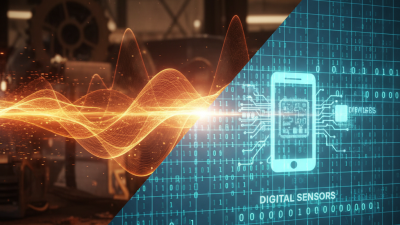
Analog sensors output continuous signals proportional to the physical quantity being measured. They excel in providing real-time data but can be prone to noise and distortion. On the other hand, digital sensors produce discrete signals, making them less susceptible to interference. They often provide higher precision and easier integration with digital systems.
Each type has its advantages and limitations. Analog sensors and digital sensors serve different needs in technology. Choosing the right sensor largely depends on the specific application. An informed decision can lead to enhanced performance and reliability in any project.
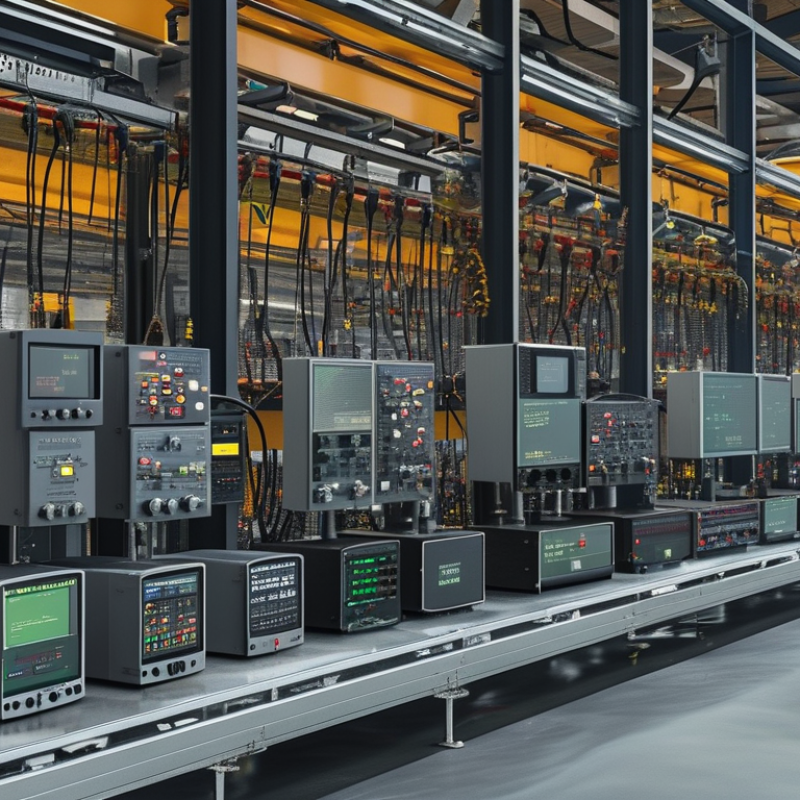
Analog sensors are devices that measure continuous physical quantities. They provide an output that is proportional to the input variable. For instance, when measuring temperature, an analog sensor translates the temperature into a corresponding voltage output. This reflects real-world conditions accurately. According to a report by MarketsandMarkets, the analog sensor market is projected to reach over $28 billion by 2026. This growth stems from their widespread use in various industries, including automotive and manufacturing.
They have basic functions, such as signal conversion and amplification. However, they can be susceptible to noise. This noise can distort readings, posing challenges for accurate interpretation. For instance, an analog climate monitoring sensor might pick up interference from nearby electronic devices. This makes it essential to conduct regular calibrations and assessments. Furthermore, while analog sensors are generally straightforward, they require careful handling to ensure reliability, especially in complex environments.

Digital sensors play a crucial role in modern technology, converting physical measurements into digital signals. These sensors provide precise data that can be interpreted by computers. They are widely used in various applications, from smart home devices to industrial automation.
In smart homes, digital sensors help monitor environmental conditions. For instance, temperature and humidity sensors send data to home automation systems. This data allows users to adjust settings for comfort and energy efficiency. In manufacturing, digital sensors track machine performance through real-time data. This enhances operational efficiency and reduces downtime.
Despite their advantages, digital sensors can face challenges like signal interference or data inaccuracies. Calibration is essential to maintain their reliability. Users should be aware of the potential for errors and ensure they understand the limitations of their sensors. Balancing precision with practical application requires careful consideration and expertise.
When comparing analog and digital sensors, the key difference lies in their signal processing methods. Analog sensors produce continuous voltage or current signals. They directly measure physical phenomena like temperature or pressure. These sensors can capture subtle changes but are susceptible to noise. This noise can distort readings, especially over long distances.
In contrast, digital sensors sample the analog signal and convert it into discrete values. They use techniques like quantization, allowing for more precise measurement. This digital format enhances reliability. Data transmission is less affected by noise, ensuring clearer signals. However, digital sensors may overlook fine variations in rapidly changing environments.
Choosing between the two often depends on the application's needs. If high resolution is critical, analog might be preferable. For robust data communication, digital sensors are a better bet. Both types have their merits and flaws. Understanding these nuances can lead to more informed decisions.
Analog and digital sensors serve distinct purposes across various industries. In manufacturing, analog sensors continuously measure variables such as temperature, pressure, and flow. According to a 2021 report by the International Society of Automation, over 60% of industrial processes rely on analog signals for real-time monitoring. These sensors are essential in processes requiring constant adjustments, like chemical mixing. However, their susceptibility to noise can lead to inaccuracies, which may pose productivity risks.
On the other hand, digital sensors excel in environments where data precision is vital. In automotive applications, for instance, digital pressure sensors provide immediate feedback to onboard systems. A study by the Society of Automotive Engineers found that nearly 75% of new vehicles utilize digital sensors for efficiency and safety. Their ability to transmit data without degradation makes them suitable for high-speed environments. Yet, a downside is their complexity, which can result in higher costs and maintenance challenges.
In agriculture, both sensor types play crucial roles. Analog sensors monitor soil moisture continuously, guiding irrigation systems. Digital sensors, however, provide data analytics that help optimize crop yield predictions. Interestingly, the transition from analog to digital sensors in precision farming has led to a 30% increase in efficiency, as reported by the USDA. This evolution shows the contrasting strengths and weaknesses inherent in both sensor categories.
| Sensor Type | Definition | Signal Type | Common Applications | Advantages | Disadvantages |
|---|---|---|---|---|---|
| Analog Sensor | Measures continuous changes in physical quantities | Continuous signal (voltage or current) | Thermocouples, pressure sensors, light sensors | High sensitivity, simple output | More prone to noise, less precision over long distances |
| Digital Sensor | Provides discrete values for measurement | Discrete signal (binary output) | Proximity sensors, digital thermometers, motion detectors | Less susceptible to noise, high accuracy | Complex conversion required, potential data loss in quantization |
The evolution of sensor technology has significantly transformed various industries. As businesses seek to improve efficiency, the demand for both analog and digital sensors continues to rise. Sensors collect data that can be analyzed to drive better decision-making. The accuracy of digital sensors often outpaces their analog counterparts, making them popular in medical and manufacturing fields. However, analog sensors still play essential roles in real-time applications where speed is critical.
Tips: When choosing sensors, consider your industry’s specific needs. Assess the accuracy required for your applications. for instance, some situations may call for the rapid response of analog sensors despite their lower precision.
The integration of advanced technologies like artificial intelligence and the Internet of Things (IoT) is shaping the future landscape of sensor technology. These innovations enable sensors to communicate with one another, gather more extensive data, and provide deeper insights. However, challenges remain. Data security is a pressing concern as sensors become more interconnected. Companies must evaluate their infrastructure to protect sensitive information.
Tips: Conduct regular assessments of your sensor systems. Check for vulnerabilities in both hardware and software that could expose your organization to risks. Being proactive in these matters ensures better reliability and efficiency in the long run.
As a specialist in environmental and flow sensor technology, ScioSense enables companies to use the planet’s resources more sustainably, helping to create a healthier future for all.