Why Are Temperature and Moisture Sensors Essential for Modern Agriculture?
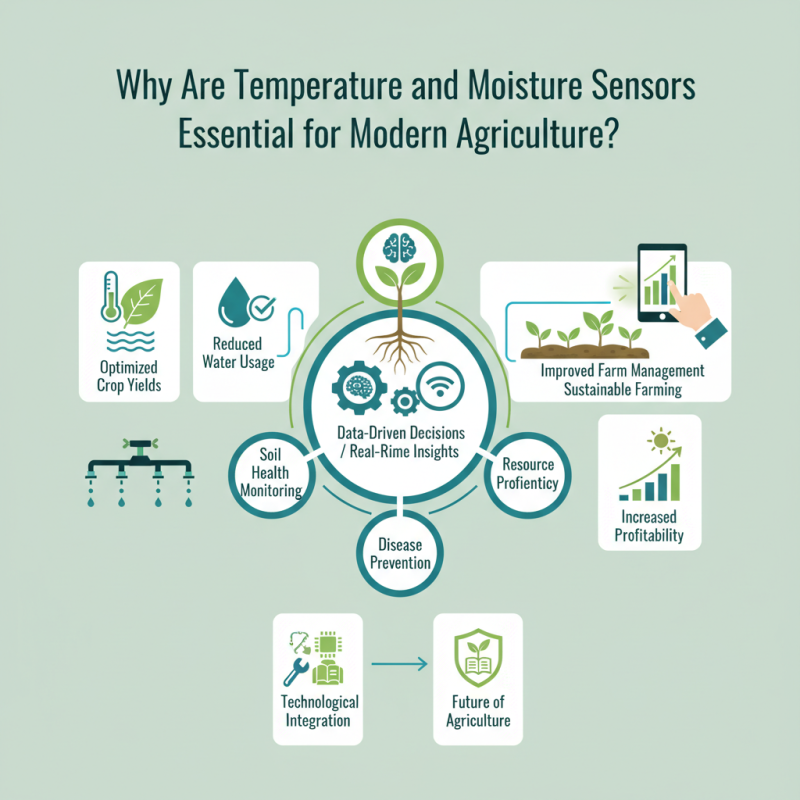
In today's agriculture, precision is key. Temperature and moisture sensors play a vital role in achieving this goal. Dr. Emily Carter, an expert in agricultural technology, states, “Accurate data from these sensors can transform farming practices.” Farmers rely on these devices to optimize water usage and improve crop yields.
Temperature and moisture sensors can indicate ideal growing conditions. They provide real-time data that help farmers make informed decisions. This data can lead to better irrigation practices, reducing water wastage. However, many farmers still overlook their importance. Some may think they are an unnecessary expense, but that mindset can hinder progress.
The integration of temperature and moisture sensors is not without challenges. Technical issues and data management can pose obstacles. Farmers need training to fully utilize this technology. Investing in these sensors requires commitment, but the potential benefits are significant. Modern agriculture demands innovation, and these tools are crucial for sustainable farming.
The Role of Temperature Sensors in Agriculture Efficiency
Temperature sensors play a crucial role in modern agriculture by optimizing resource use and improving crop yield. According to industry reports, farmers can improve yields by up to 20% through precise temperature monitoring. These sensors help track temperature fluctuations in real-time, which affects plant growth cycles and pest management. Severe temperature changes can lead to stress in crops, resulting in reduced quality and quantity. Immediate data allows farmers to make informed decisions.
Moreover, temperature data assists in irrigation management. Soil temperature directly influences moisture absorption and nutrient availability. A study highlighted that up to 30% of water can be saved with effective temperature monitoring. This resource-saving approach allows farmers to focus on sustainable practices. However, not all farms implement these technologies uniformly. Many still rely on outdated methods. This raises questions about accessibility and knowledge sharing within the industry.
In addition to yield improvements, temperature sensors also contribute to energy efficiency. Greenhouses equipped with these devices reduce heating costs by 15% or more. Yet, the investment in modern technology can be challenging for small-scale farmers. Without proper education and support, the gap between technology adoption grows. The need for broader awareness and training in temperature management is clear; the benefits are undeniable.
Understanding Moisture Sensors and Their Agricultural Applications
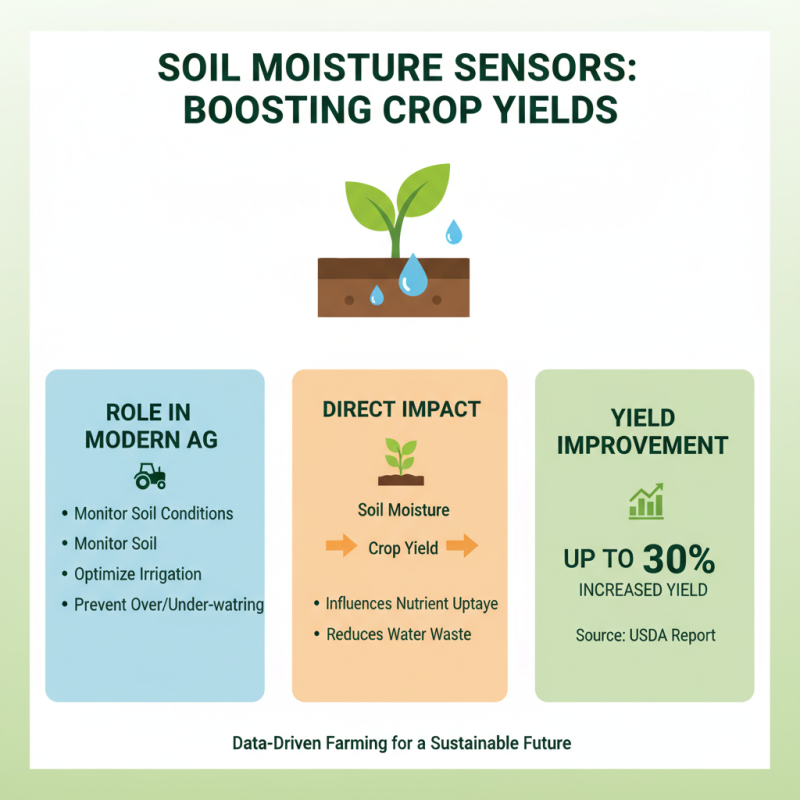
Moisture sensors play a crucial role in modern agriculture. They help farmers monitor soil conditions. Soil moisture directly influences crop yield. According to a report from the USDA, accurate moisture monitoring can improve yield by up to 30%. This data shows the potential impact of these sensors on farming efficiency.
Farmers use moisture sensors to determine when to irrigate. Overwatering can damage crops. Conversely, underwatering can lead to stunted growth. A study indicates that 80% of farmers who adopted moisture sensor technology observed improved water management practices. Yet, not all farmers utilize this technology effectively. Some remain hesitant, fearing high costs or complexity.
The technology is advancing rapidly but comes with challenges. Sensors can be sensitive to environmental factors. Calibration may be needed frequently. This can hinder their practicality on large farms. Continuous improvement in sensor designs and data analytics is necessary. The goal is to make these tools user-friendly and more resilient. As agriculture evolves, the reliance on precise data becomes essential for sustainability.
How Temperature and Moisture Sensors Enhance Crop Yield and Quality
Temperature and moisture sensors play a crucial role in modern agriculture. According to a report by the Food and Agriculture Organization (FAO), effective moisture management can increase crop yields by up to 25%. These sensors provide real-time data, allowing farmers to monitor soil conditions accurately. With precise readings, farmers can optimize irrigation schedules, ensuring crops receive the right amount of water.
The benefits of these sensors extend beyond just irrigation. They also help in disease prevention. A study by the American Society of Agronomy shows that temperature fluctuations can trigger crop diseases. Sensors that monitor these changes alert farmers, allowing them to take preventive measures. In regions where temperature varies greatly, this proactive approach can enhance crop quality significantly.
However, reliance on technology has its drawbacks. Some farmers may struggle with interpreting sensor data. Misinterpretation can lead to improper irrigation and nutrient application, ultimately reducing crop yield. It’s essential for farmers to blend technology with experiential knowledge. This combination can help maximize the advantages that sensors offer while addressing potential pitfalls.
Integration of Sensors in Precision Agriculture Techniques
Temperature and moisture sensors play a vital role in modern agriculture, especially in precision farming. These sensors collect real-time data on environmental conditions. This data informs farmers about soil moisture levels and temperature fluctuations, which can optimize irrigation practices. According to the Precision Agriculture Association, effective use of sensors can increase crop yields by up to 20%.
Integrating these sensors into farming practices can provide critical insights. Farmers can adjust planting schedules or irrigation plans based on precise data. This degree of control leads to more efficient resource use. However, not all sensors are created equal. Some might fail to provide accurate readings, leading to misguided decisions. Identifying reliable technologies is essential for true benefits.
Tips: Regularly calibrate sensors and cross-check readings. Look out for anomalies in data; they could indicate instrument failure. As agriculture evolves, farmers must embrace these evolving technologies while remaining cautious about their limitations. Adapting to new methods requires both understanding benefits and recognizing challenges.
The Future of Farming: Advancements in Sensor Technology for Agriculture
Advancements in sensor technology are transforming agriculture. Temperature and moisture sensors are now vital tools. They provide real-time data to farmers, optimizing crop growth. With accurate measurements, farmers can make informed decisions. This leads to better yields and reduced resource waste.
For example, a sensor might detect soil moisture levels drop. Farmers can then irrigate only when needed, conserving water and energy. Investing in these technologies can seem daunting. However, many find success through gradual integration. Try starting with one or two sensors. Once comfortable, you can expand.
Farmers must also be aware of potential challenges. Sensors can malfunction or give inaccurate readings. Regular maintenance is crucial to ensure reliability. Consider a backup plan if a sensor fails. Reflection and adaptation are key to harnessing technology effectively. The future of farming relies not only on innovation but also on careful implementation.
Temperature and Moisture Sensor Data in Modern Agriculture
This chart illustrates the importance of temperature and moisture levels in agricultural settings, crucial for optimizing crop yield and resource management.