
MOLYBDENUM SHEET is a demanding material for aerospace, semiconductor, medical, and high-temperature industrial applications. Its value depends on more than molybdenum purity. Thickness tolerance, surface condition, grain structure, flatness, and traceability also matter.
Experienced buyers know that supplier selection can change production results. A sheet may appear bright and uniform, yet reveal edge cracking during forming. Another may meet the stated grade but fail a customer’s thermal cycling test. These details make technical verification essential.
Dr. John J. Gilman, a respected materials scientist, once observed, “Materials performance depends on structure as much as composition.” This principle remains relevant when comparing global MOLYBDENUM SHEET suppliers. Buyers should examine mill certificates, inspection records, available dimensions, and manufacturing capabilities. Ask about annealing conditions. Request sample testing when possible.
The strongest suppliers usually provide consistent documentation and practical engineering support. They can explain whether a sheet is rolled, stress-relieved, or fully recrystallized. They should also clarify surface finish, cutting tolerance, packaging, and export lead times. Small gaps in these details can become costly delays.
This guide reviews leading MOLYBDENUM SHEET suppliers for global buyers. It considers product quality, application experience, delivery reliability, and communication standards. No supplier is perfect. Even established manufacturers may have regional limits or changing production schedules. Careful comparison remains necessary, especially for critical components and custom specifications.
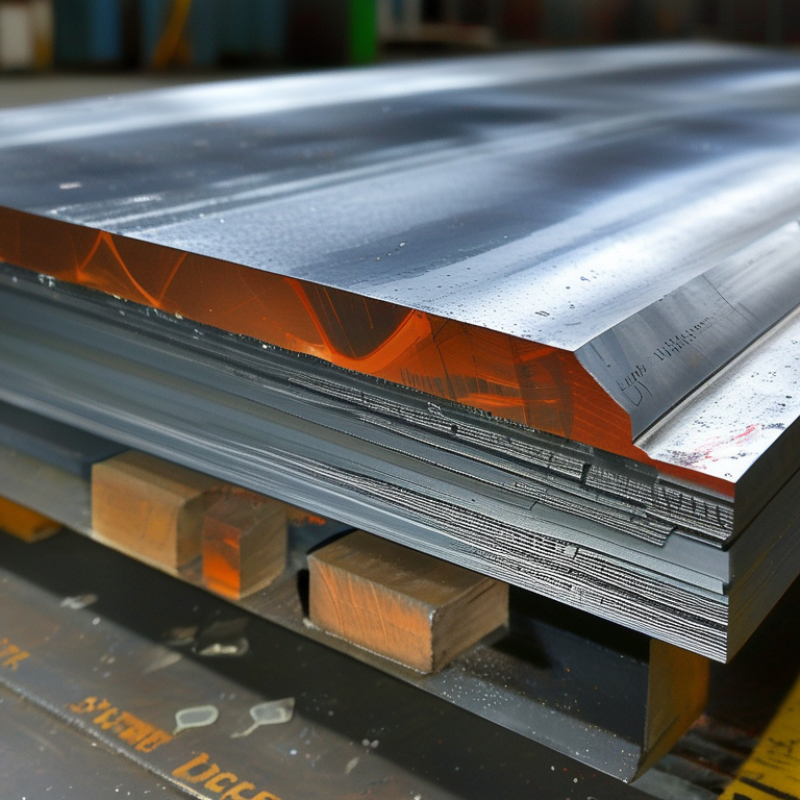
Molybdenum sheet is a flat, rolled product made from a refractory metal. It withstands extreme heat and retains strength better than many common alloys. Its melting point is about 2,623°C, while its low thermal expansion supports dimensional stability. The material is not simply “heatproof.” In air, hot molybdenum can oxidize rapidly, so engineers often specify vacuum, inert gas, or protective coatings. This limitation matters during design and supplier discussions.
Global buyers use molybdenum sheet for furnace shields, heat zones, sintering trays, semiconductor components, and precision fixtures. It transfers heat efficiently and remains stiff where ordinary steels soften. Its clean chemistry can also reduce contamination in controlled processing environments. Yet performance depends on purity, grain structure, thickness, surface finish, and joining method. A thin sheet may warp if heating is uneven. That detail is easy to overlook.
Reliable purchasing starts with a clear technical specification. Buyers should request mill test reports, dimensional tolerances, inspection records, and traceability documents. They should confirm whether the sheet is rolled, stress-relieved, annealed, or custom cut. Experienced suppliers explain these choices instead of promising one grade for every application. Price alone can mislead. A cheaper sheet may create more waste during forming or replacement. For international sourcing, packaging, moisture control, export documentation, and consistent batch quality deserve equal attention. No supplier is perfect. A careful review of operating conditions often reveals assumptions that need revision.

Selecting a molybdenum sheet supplier requires more than checking price. Compare purity, alloy grade, thickness, width, length, and dimensional tolerance. Commercially pure molybdenum often suits high-temperature furnace parts, while TZM provides greater strength at elevated temperatures. Confirm whether the quoted material matches your drawing and operating environment. Ask for a mill test certificate showing chemical composition, density, tensile strength, and heat-treatment details. Surface condition matters too. A bright, clean finish may be essential for vacuum equipment, while minor marks could be acceptable for internal components.
Tips: Request sample pieces before placing a large order. Measure thickness at several points, not just the center. Check flatness, edge condition, and visible cracks under proper lighting. Packaging also deserves attention. Moisture-resistant wrapping and rigid supports can reduce bending during long-distance transport.
Reliable suppliers should explain production limits clearly. Ask about cutting accuracy, grain direction, inspection methods, minimum order quantities, and realistic lead times. Traceability from raw material to finished sheet supports quality control and future audits. Certificates are valuable, but they are not proof of perfect performance. Test data may differ from results in your equipment. I would also compare the supplier’s response quality. Vague answers often signal later confusion. A lower price can hide poor tolerance control, excessive waste, or unstable delivery. This is easy to overlook. Review every specification in writing before approval.
Choosing a molybdenum sheet supplier requires more than comparing prices. Start with the material specification, intended temperature, sheet thickness, and surface condition. Experienced buyers request a complete mill test report for each lot. The report should identify chemical composition, density, tensile properties, dimensions, and heat treatment. Check whether the supplier follows relevant standards, such as ASTM B386, when applicable. ISO 9001 certification can support process control, but it does not replace product testing.
Traceability matters. Ask for heat numbers, inspection records, and clear links between raw powder, pressed billets, rolled sheets, and final packaging. A reliable supplier should explain how it controls oxygen content, grain structure, edge cracks, flatness, and thickness tolerance. Request sample reports before placing a large order. Inspect a small shipment if possible. Tiny surface marks can become serious during machining or high-temperature use.
Production capacity needs practical verification. Ask about powder metallurgy equipment, sintering furnaces, rolling mills, annealing systems, and inspection tools. Confirm standard lead times, monthly output, minimum order quantities, and backup equipment. Capacity on paper can mislead. A supplier may produce thick plate well but struggle with thin foil. That distinction is easy to miss. I would also examine packaging, moisture protection, and export documentation. One weakness can remain. Honest suppliers disclose it and explain their corrective process.
Use these published material reference values to verify supplier quality claims, certificates, test reports, and production consistency.
Reference data: commercial molybdenum purity of approximately 99.95 wt.%, density of 10.28 g/cm³, melting point of approximately 2,623°C, and thermal conductivity of approximately 138 W/m·K at 20°C. Actual values may vary by grade, thickness, processing route, and test method. Buyers should request ISO 9001 documentation, heat-number traceability, certificates of analysis, dimensional inspection records, and evidence of available production capacity.
Top Molybdenum Sheet Suppliers for Global Buyers
Global buyers should compare more than the quoted price. Molybdenum sheet costs depend on purity, thickness, dimensions, tolerance, and order volume. Request a written quotation with material certificates and inspection details. A low price may exclude cutting, testing, or export preparation. Confirm whether prices remain valid for seven, fifteen, or thirty days. That small detail can affect budgeting.
Lead time should include production, inspection, packing, and inland transport. Ask for a realistic schedule, not only an optimistic factory estimate. For example, thin sheets may require careful handling and additional surface checks. Packaging should use moisture barriers, rigid supports, and protective separators. Clear labels should show grade, size, quantity, and heat number. I have found that packaging details are often treated as minor, but damaged corners create costly disputes.
Tips: Compare at least three written offers. Check tolerances carefully. Ask for recent production evidence and inspection records. Confirm whether shipping terms include insurance, port fees, and customs documents. Use a delivery buffer for peak seasons. Even experienced buyers sometimes underestimate destination handling charges. A small trial order can reveal quality and communication problems before larger commitments begin.
Choosing a molybdenum sheet supplier requires more than comparing prices. Define the application, operating temperature, sheet size, purity, and required thickness tolerance. A written specification prevents vague quotations and costly misunderstandings.
Ask each supplier for recent mill test certificates, dimensional reports, and heat numbers. Check whether the documents match the offered material. For demanding applications, request grain-structure data and test samples. Inspect the sample for flatness, surface marks, edge quality, and measured thickness at several points. Small differences matter.
Use a supplier comparison table. Record production capacity, lead time, minimum order quantity, packaging method, and export experience. Confirm whether sheets are protected against moisture, abrasion, and deformation during ocean transport. Wooden crates and sealed wrapping can make a practical difference.
Do not rely on one impressive certificate. Contact the issuing laboratory when verification is necessary, and consider an independent inspection before shipment. Clarify payment terms, delivery responsibility, and procedures for nonconforming material. These details often reveal a supplier’s reliability more clearly than a polished website.
A low quotation can hide weak traceability or unstable tolerances. I once treated price as the main efficiency measure; the later rework cost proved that assumption incomplete. That lesson still needs testing, especially when volumes, specifications, or shipping routes change. Choose suppliers that communicate clearly, document each batch, and respond with evidence rather than promises.
As a specialist in environmental and flow sensor technology, ScioSense enables companies to use the planet’s resources more sustainably, helping to create a healthier future for all.