What Is a Sensor and Which Products Use Sensors?
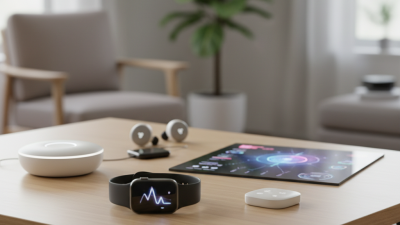
A sensor is a component that detects a physical change and converts it into usable data. It may measure temperature, pressure, motion, light, sound, humidity, or chemical conditions. A thermostat notices room temperature. A smartwatch tracks movement and heart rate. A vehicle monitors tire pressure within seconds.
The sensor industry is expanding with connected devices and automated systems. IoT Analytics reported approximately 18.8 billion connected IoT devices worldwide at the end of 2024. This growth increases demand for reliable sensing across homes, factories, hospitals, farms, and transport networks. MarketsandMarkets estimates that the global sensors market could grow from about USD 166 billion in 2023 to USD 258 billion by 2028. Forecasts differ, however. Definitions, regions, and market methods are not always consistent.
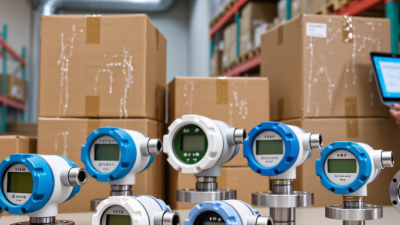
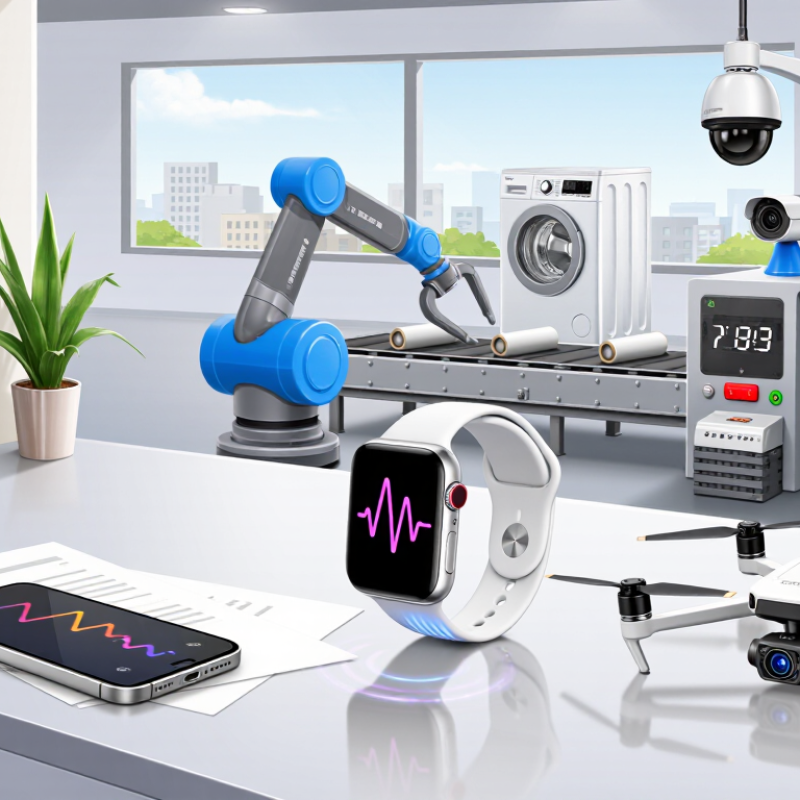
That detail matters. A sensor does not make a product intelligent by itself. It needs power, calibration, software, data protection, and a clear purpose. Products that use sensors include smartphones, robots, medical monitors, drones, washing machines, security cameras, and industrial equipment. In a factory, vibration sensors can reveal an aging motor before it fails. In agriculture, soil sensors can guide irrigation near a plant’s roots. The result is practical, but never perfect. Sensors can drift, collect noisy data, or fail in harsh conditions. Therefore, this guide explains what sensors are, how they work, and where they appear in everyday products. It also considers accuracy, maintenance, and responsible data use. These factors often receive less attention than impressive product specifications.
What Is a Sensor?
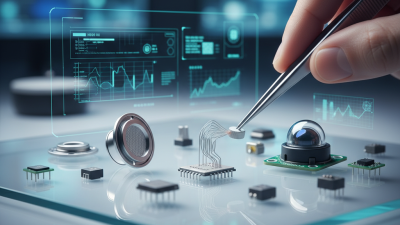
A sensor is a device that detects a physical change and converts it into usable information. It may measure temperature, light, pressure, motion, sound, or moisture. A temperature sensor, for example, responds when surrounding air becomes warmer or cooler. Its electrical signal can then control a display, warning, or machine.
That definition is useful, but incomplete. Real measurements are rarely perfect. Heat from nearby components, dust, vibration, and poor placement can affect accuracy. In a smart thermostat, a sensor checks room temperature and helps regulate heating. In a vehicle, sensors monitor speed, distance, tire pressure, and engine conditions. Cameras, washing machines, medical equipment, security systems, and factory tools also depend on sensors. Different products require different sensing ranges, response times, and protection levels.
Tips: Check what the sensor measures, its operating range, and its expected accuracy. Placement matters. A humidity sensor near a hot vent may produce misleading readings. Test important measurements against a trusted reference when possible. Even experienced designers can overlook small environmental changes. Sensor data should be questioned before it guides an important decision.
How Sensors Detect and Measure Changes
What Is a Sensor and Which Products Use Sensors?
A sensor detects a change and converts it into usable information. The change may involve heat, light, pressure, motion, sound, or moisture. In simple terms, sensors help products notice what people cannot see directly. A temperature sensor measures heat through changes in electrical resistance or voltage. A light sensor responds when incoming light changes its electrical behavior. Small differences matter.
How Sensors Detect and Measure Changes
Most sensors interact with a physical condition and produce an electrical signal. A pressure sensor may use a flexible membrane that bends under force. That movement changes resistance, capacitance, or voltage. A control circuit then reads the signal and converts it into a measurement. For example, a digital scale detects tiny strain changes beneath its platform. A washing machine can monitor water level, drum movement, and temperature through several sensors.
Sensor performance depends on calibration, placement, and surrounding conditions. Dust can affect an optical sensor. Heat can distort readings from an electronic component. Engineers compare sensor output with a trusted reference during testing. They also check response time, accuracy, sensitivity, and measurement range.
A reading is not always the truth.
In real products, sensors work with software and other hardware. A home air monitor may combine humidity, temperature, and particle measurements. A vehicle safety system can detect acceleration and sudden motion. Even careful designs have limits. Installation errors, aging parts, and electrical noise may create misleading results. Testing under ordinary and unusual conditions remains necessary. Sometimes, the sensor notices change before anyone understands its cause.
The Main Types of Sensors
What Is a Sensor and Which Products Use Sensors?
The Main Types of Sensors
A sensor detects a physical change and converts it into readable data. That change may involve heat, pressure, light, movement, distance, or moisture. Unlike a simple switch, a sensor can report gradual changes. A temperature sensor, for example, may detect a warm surface before it becomes dangerously hot. This information helps equipment respond with better timing.
Temperature sensors appear in ovens, refrigerators, medical devices, and climate-control systems. Pressure sensors measure force inside pumps, tires, and industrial pipelines. Motion sensors detect movement in lighting systems, security equipment, and fitness devices.
Light sensors adjust screen brightness or activate outdoor lamps at dusk. Proximity sensors can stop a machine when an object comes too close. Humidity sensors monitor air inside storage cabinets and buildings.
Sensors are not always perfectly accurate. Dust, vibration, poor placement, and temperature changes can affect their readings. A sensor mounted near a heat source may report the wrong room temperature. Regular calibration improves reliability, but it cannot fix every design mistake. Engineers also compare sensor data with real conditions before approving a product. That practical check matters. Even a small error can cause wasted energy, uncomfortable rooms, or unnecessary maintenance.ેણ
Which Products Use Sensors?
A sensor detects a physical change and turns it into usable information. Many everyday products depend on this quiet process. Smartphones use light sensors to adjust screen brightness and motion sensors to rotate images. Smartwatches track movement, heart rate, and sometimes skin temperature. Thermostats measure room temperature before controlling heating or cooling systems.
Cars use sensors to monitor wheel speed, distance, tire pressure, and engine conditions. A parking system may detect an obstacle only a few centimeters away. Washing machines sense water levels and load balance. Refrigerators monitor internal temperature, while kitchen scales measure pressure through tiny electrical changes. Medical devices also use sensors to record oxygen levels, body temperature, or heart rhythm. These readings can support decisions, but they should not replace qualified professional judgment.
Tips: Check the product’s sensor range, accuracy, and calibration needs before buying. Keep sensing areas clean. Dust, steam, sunlight, or loose contact can distort readings. I have found that convenience can hide weaknesses. A motion sensor may miss slow movement. A temperature sensor may respond late near a cold window. Review privacy settings when products collect location, sound, or health data. Test important readings against a trusted reference occasionally. Small errors matter.
What Is a Sensor and Which Products Use Sensors?
A sensor detects a physical condition—such as motion, light, temperature, pressure, or location—and converts it into data that a product can process. The chart shows the number of distinct sensing functions commonly found in representative product categories.
Smartphones and wearable devices combine sensors for motion, orientation, light, location, and health measurements. Vehicles use sensors for driving assistance, while household appliances use them to monitor temperature, position, load, water level, and operating conditions. Exact sensor configurations vary by product design.
How Sensors Support Modern Devices
What Is a Sensor and Which Products Use Sensors?
A sensor converts a physical change into usable data.
Temperature sensors detect heat inside batteries, ovens, and medical devices. Accelerometers measure movement in phones, vehicles, fitness trackers, and industrial machines. Cameras use light-sensitive elements to estimate brightness, distance, and motion. These small components help devices react instead of merely operate.
Connected products increasingly depend on continuous measurement.
IoT Analytics reported about 16.6 billion connected IoT devices worldwide at the end of 2023. Its State of IoT report forecasts roughly 18.8 billion devices by 2024. Many of these products rely on pressure, vibration, location, or environmental sensors. A smart thermostat can reduce heating when a room is empty. A vehicle can adjust braking after detecting wheel speed and road movement. A factory system can flag unusual vibration before equipment fails.
The picture is not perfect.
Sensor readings can drift, especially under heat, dust, moisture, or weak calibration. In practical testing, a misplaced sensor may produce confident but misleading data. That is why reliable devices combine several measurements, filter noise, and record calibration conditions. The National Institute of Standards and Technology emphasizes traceability and measurement quality in sensor-based systems. Engineers must also protect collected data and explain uncertainty. A sensor does not understand reality. It only reports a signal.